
Cinema’s hottest summer on record.
Originally published on AdNews.
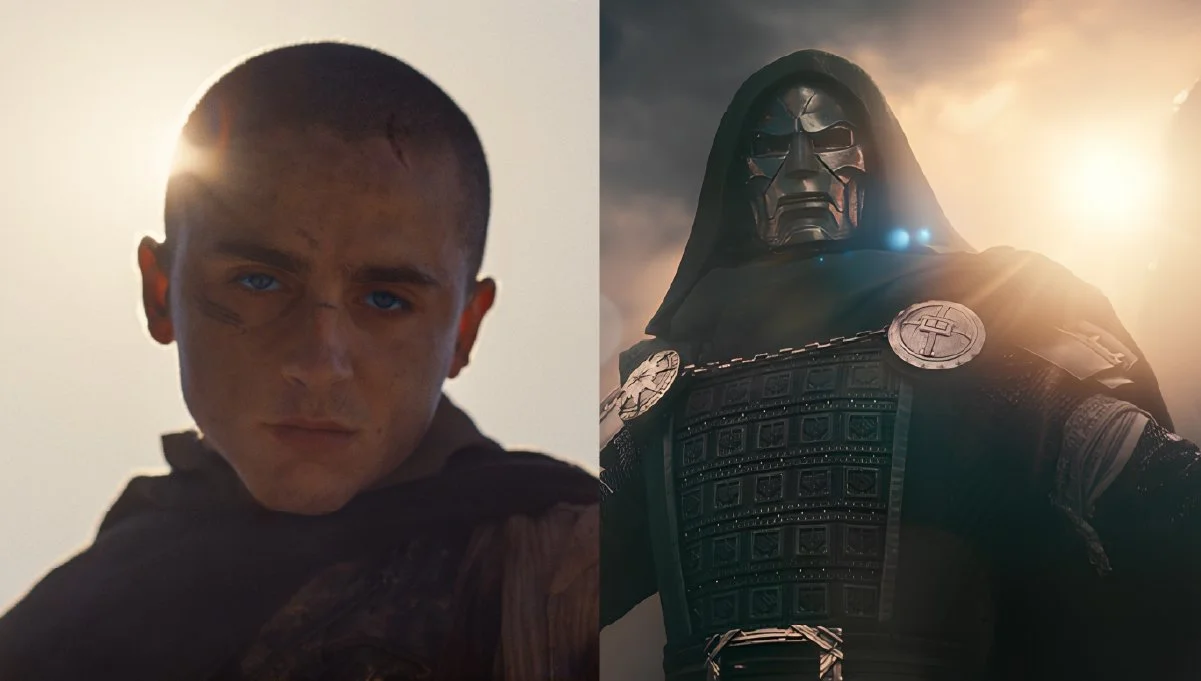
Forget the beach. This summer, the hottest ticket in town is inside, in the dark, sitting in silence with hundreds of others, collectively engaged and emotionally connected in the same moment, all watching the same scene.
The best summer moments were never meant to be experienced alone. They’re those experiences that are shared together and remembered together. Nothing creates that experience like the power of the big screen. With people increasingly craving real-world experiences, cinema taps into real cultural moments and delivers shared attention with true scale.
For brands, shared attention and experiences are a powerful force. They make messages more memorable, more meaningful and are proven to be a powerful driver of growth. The data shows that immersive experiences can drive 2.2x higher brand recall than passive formats, while 85% of consumers say they are more likely to purchase after attending a live experience.*
In a market where advertising is fighting to simply be noticed, attention has real value. The Cost of Dull Media Down Under study, conducted earlier this year by Amplified, shows the startling price brands really pay for low-attention media. While no marketer sets out to buy inefficient media, the reality is that much of today’s media spend ends up exactly there.
When did marketing stop caring whether media actually works?
Impressions don’t deliver impact, views can’t guarantee equal visibility and reach is no proxy for results. With no attention or connection to your brand, the growth you’ve planned (and paid for) will shift to competitors. If you’re a challenger brand the stakes are magnified, placing your ad in Dull Media puts you at up to a 6x disadvantage compared with an established brand.
The fix doesn’t call for a bigger spend, it calls for a bigger screen. Cinema commands 100% total attention, the highest of any media channel. One ad exposure in cinema delivers the same brand fame as ten on digital, nine on BVOD or six on linear TV.** It means less wasted exposure and more impact from every dollar.*** Cinema works and we believe that’s the whole point.
Now we have their attention, what are Australians going to be watching this summer?
November sets the box office in motion, with Focker In-Law and The Hunger Games: Sunrise on the Reaping arriving just in time for the Black Friday retail rush. From there, the slate keeps building across December, with Jumanji: Open World and The Angry Birds Movie 3 leading a huge Boxing Day lineup, perfectly timed for the peak school holiday period.
This powerhouse lineup is forecast to drive more than 20 million cinema admissions from November to January, up 15% on last summer. Growth is expected across some of the most valuable and increasingly hard-to-reach demographics, with youth admissions forecast to rise 18%, while family and affluent NEO admissions are each expected to increase by 15%.****
At the apex of that growth will be the defining cultural event of the summer.
Within just 24 hours, two cinematic giants will arrive in cinemas. Dune: Part Three lands on December 16, followed by Avengers: Doomsday on December 17, bringing two passionate fanbases together on an unprecedented scale.
We’ve already seen what happens when two major films collide. Spider-Man: Brand New Day and The Odyssey showed audiences don’t have to choose, with moviegoers embracing both films and turning their crossover into a cultural moment. Both went on to break records, with Spider-Man passing $2 billion USD globally and The Odyssey becoming the first film to clear $10 million at the Australian box office in IMAX alone.
Dunesday has the potential to take that excitement to another level.
Anticipation for Avengers: Doomsday is already enormous. Its first official trailer generated 503 million views in 24 hours, the biggest trailer launch in Disney history. And with Robert Downey Jr., Chris Hemsworth and Chris Evans leading a cast packed with Marvel favourites, it has all the ingredients of a true four-quadrant blockbuster.
Then there’s Dune. The franchise has grown into a cinematic powerhouse in its own right, with Dune: Part Two more than doubling the Australian box office of the first film and becoming the biggest IMAX release in Australian history. Part Three arrives with serious momentum behind it.
Together, Dune: Part Three and Avengers: Doomsday are forecast to deliver the biggest box office week since Barbenheimer. But this will be bigger than two blockbusters sharing a release date. It has all the makings of a genuine movie event - one audiences build plans around, debate with friends and become part of the cultural conversation.
The question won’t be which film to see. It’ll be which one to see first.
See the full summer slate: Movies — Val Morgan
Sources:
Spiro EMIR study 2025, Event Track Research, WeArisma, EventTrack Research
*Cinema Effectiveness Study, FiftyFive5 2024
***Cost of Dull Media AU 2026 (Amplified Intelligence, Val Morgan, Omnicom Media)
****CineTAM 2026