
In a fragmented attention world, shared family attention has become marketing gold. Cinema flips the script.
Originally published on Mi3.
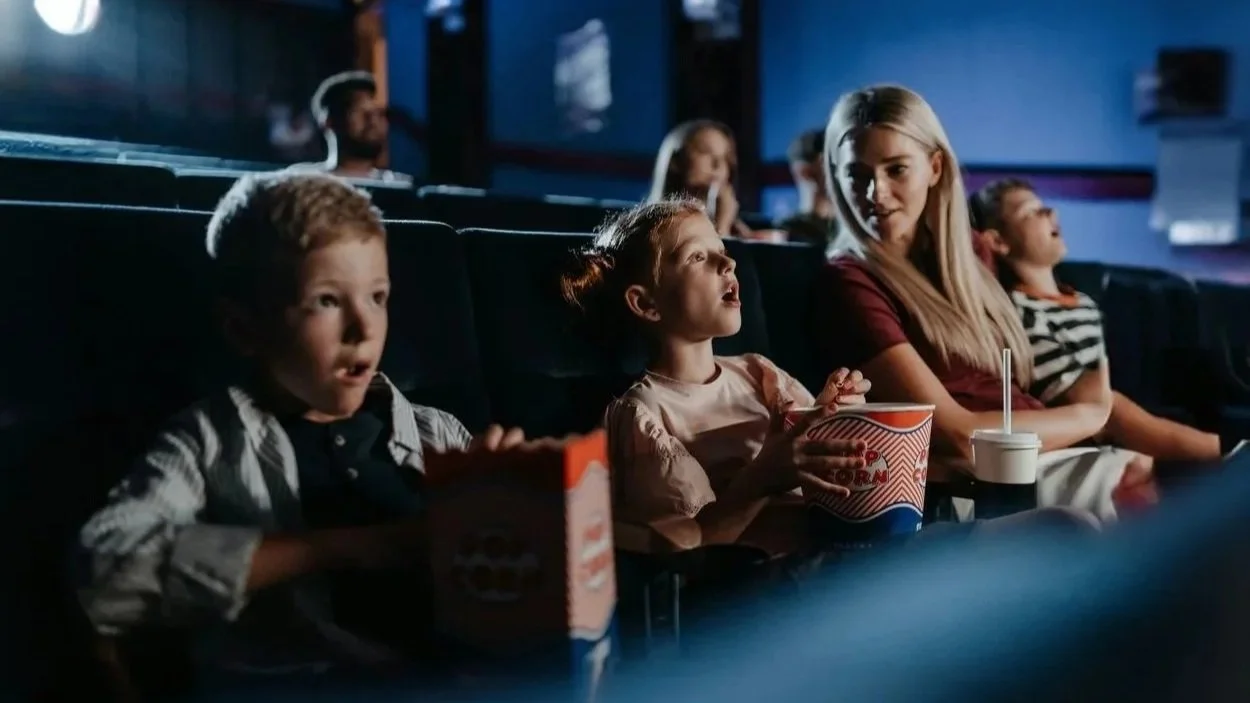
For decades, cinema has played a unique role in bringing families together. Long before social media or streaming platforms, it was one of the original shared media experiences – where stories weren’t just watched, they were experienced collectively.
Today, family cinema is often associated with school holidays or children’s releases. But that framing misses the mark. Because when families go to the movies, something more powerful happens. Parents, children and often even grandparents sit down together, focused on the same story, sharing the same moment and experiencing the same brand messages.
That dynamic creates something marketers rarely get elsewhere in media: influence happening across generations, in real time.
The most powerful audience in the room
Families matter for a simple reason. Decision-making inside households is rarely individual. Purchasing decisions are shared. Preferences are shaped through conversation. Parents validate choices while children influence them.
Research shows that eight in ten parents agree that children influence household purchasing decisions. Families are a collective decision-making unit - yet media planning often treats family members as separate audiences. Parents are reached in one place, kids somewhere else, and teenagers somewhere else again.
Cinema remains one of the few environments where the entire household is present at the same moment, experiencing the same story and the same advertising together - and that changes how brand messages land.
Shared attention creates shared influence
Attention has become one of the industry’s favourite metrics, and Cinema is the undisputed leader in the field. But it offers something more powerful than attention alone: shared attention. Across most media today, viewing is fragmented across devices, feeds and platforms. Even within the same household, people are often watching entirely different things.
Smaller living spaces, increasingly busy schedules and device-led habits invade family time, resulting in divided attention. People often do not share the same moment. They are merely sharing the same room.
For advertisers, this has a direct implication: the most valuable family moments are the moments where attention is aligned and attention is focused.
When this happens, messages are not just seen. They are experienced. They have a higher chance of being discussed, remembered, and carried forward into future decisions.
Cinema is the one place that reverses that dynamic. Families are fully present, immersed in the same story and experience the same advertising together. 86% of parents describe going to the movies as a special family occasion, reinforcing that cinema is not passive viewing, but a highly regarded time that families actively choose to share.
Those shared experiences continue long after the credits roll. Research shows that 73% of families talk about the films they watch together afterwards – quoting scenes, replaying moments and referencing the experience in the days that follow, and with 8 in 10 agreeing children have an impact on family purchasing decisions, that lasting kidfluence is marketing gold.
For brands, that means advertising isn’t limited to reaching individuals - it becomes part of a shared cultural moment.
Trust amplifies the effect
In a media environment increasingly shaped by brand safety concerns, algorithms and unpredictable content adjacency, trust has become one of the most valuable currencies in marketing. This is where Cinema shines – it’s a channel that is carefully curated, intentional and chosen. Families collectively decide to visit, pay for the experience and enter an environment they already trust.
Our original Brand Fame research found cinema to be the most trusted media channel, outperforming other channels in its ability to build trust in the brands that advertise on the big screen.
This becomes even more powerful in a family context, because parents are often the household gatekeepers for trust and quality, while children influence what brands are culturally relevant. Cinema reaches that mix in the same room, in the same moment.
When families experience advertising together, brand perceptions are formed collectively and reinforced through conversation.
For brands seeking long-term returns, the implication is clear: cinema does not just deliver exposure and engagement. It strengthens essential growth, driving brand signals that are hardest to build elsewhere.
The scale of family cinema
The commercial importance of family audiences is unmistakable at the box office. Family titles consistently dominate cinema attendance and, in 2025, made up half of Australia’s top ten highest-grossing films, driving one in three admissions.
In 2026, that momentum is expected to build, with family audiences forecast to grow by 25%, powered by major, bankable IP including Super Mario Bros., Minions and Toy Story. The slate ahead is filled with globally loved, multigenerational titles, from Toy Story 5 and Minions & Monsters to the live-action Moana remake, Dr. Seuss and Angry Birds - bringing kids, teens, parents and grandparents to cinemas throughout the school holiday periods.
The opportunity for marketers
The real effect of this research is simple. Family cinema is not just a media placement. It is a shared cultural moment, with outcomes that stretch far past an ad spot. When families go to the cinema, they are present, emotionally engaged and experiencing the same story together. That combination of attention, emotion and shared influence creates one of the most powerful environments for brands in media.
In a fragmented landscape increasingly dominated by individual screens and algorithms, these rare moments of shared, meaningful engagement are becoming more valuable than ever – creating a brand benefit far more meaningful than a CPM on a spreadsheet.
Sources: FiftyFive5 Cinema Effectiveness Study (2024), CineTAM Plus Survey (2025), The Owl Families Qual Research (2026).